• Opening Hours : Sunday- Friday, 08:00 am - 05:00pm
  • +1 (780) 200-0308
Enhancing%20Livestock%20Productivity%20&%20Digital%20Health%20Intelligence
  • Home
  • About Us
  • Our Initiative
  • Events & News
  • Students Farm Internship
  • Our Partners
  • Contact

Back to Basics: 4 Simple Ways to Keep Calves Healthy

Home / News & Events / Back to Basics: 4 Simple Ways to Keep Calves Healthy
  • Sekama Can
  • May 22, 2025

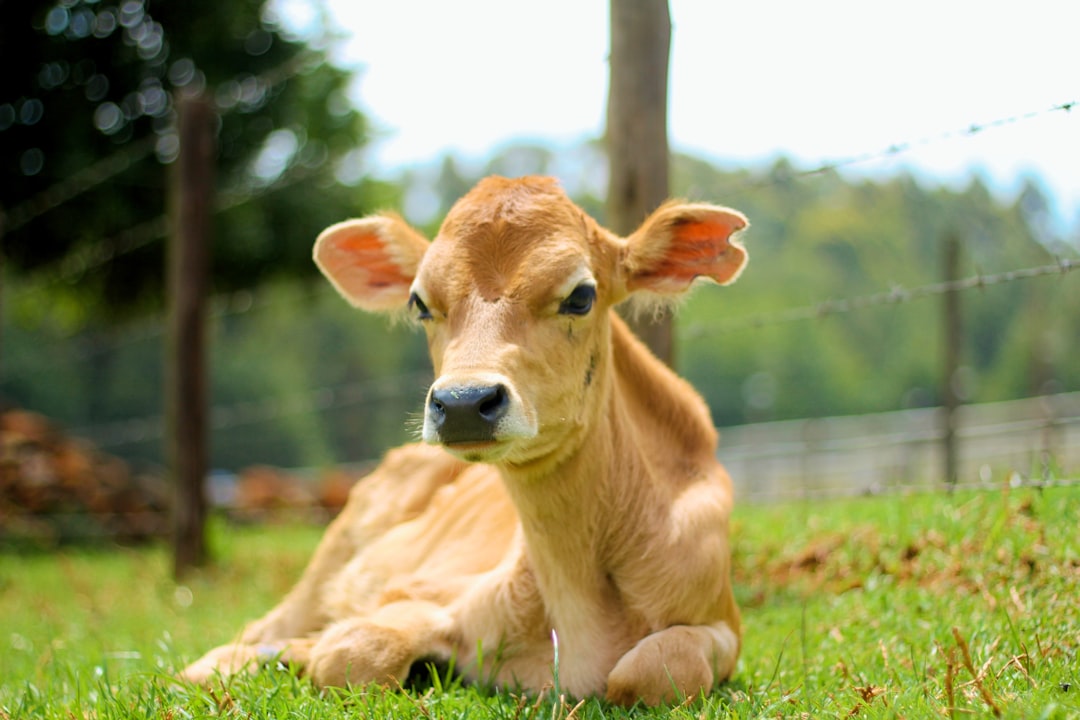
Raising healthy calves is key to a strong, productive herd. While things like genetics and long-term planning matter, some simple actions can make a big difference right away. Here are four easy ways to improve calf health on your farm:

1. Feed Colostrum Early
Colostrum is the first milk a calf gets after birth. It’s full of energy, nutrients, and antibodies that help build the calf’s immune system. Calves should drink four litres within six hours after birth. Make sure the colostrum is clean, high-quality, and fed quickly to protect the calf from harmful germs.

2. Care for the Navel
The navel (belly button) is a major way for bacteria to enter a calf’s body before it heals. Keep birthing areas clean, move the calf to dry bedding soon after birth, and treat any signs of infection early. Never transport calves with unhealed navels.

3. Use Clean, Deep Straw Bedding
Straw bedding keeps calves warm and dry. Cold or wet calves get sick more easily and grow slower. Use clean straw at least 8 cm (about 3 inches) deep. If your knees get wet when kneeling in it, change the straw. Add fresh straw often instead of piling it all at once.

4. Follow a Vaccination Plan
Respiratory illnesses are a major problem for calves but many can be prevented with vaccines. Make a plan that says what vaccines to give and when. This helps keep calves healthy and avoids mistakes like missed doses or late shots.

Prevention is Key
There’s no quick fix when a calf gets sick. Sticking to the basics – like clean bedding, good colostrum, and vaccines – can prevent problems before they start. For more helpful tips, visit www.calfcare.ca.

This article by By Lilian Schaer, was published by Calfcare and supported by the Canadian Agricultural Partnership.

Share:

Previous Post
Why Semen
Next Post
Protect Your

Comments are closed

Recent Posts

  • Digital Health Intelligence
  • Pruning bananas
  • Back at the Farm: Managing Bananas and Starting Something New
  • From Banana Farming to Vegetable Gardening
  • A Morning of Animal Care

Recent Comments

  1. bb444 on How Farmers in Central Uganda Are Improving Milk Safety
  2. 7sjililink on Cactus Sap in Western Uganda: A Traditional Remedy for East Coast Fever in Cattle
  3. bb444login on Maximize Immunity, Decrease Disease: Five Key Calf Health Considerations
  4. 291jiliph on Learning to Spray Cattle Safely
  5. kkslot777login on Straw Bedding: A Simple Way to Grow Healthy Calves
Enhancing%20Livestock%20Productivity%20&%20Digital%20Health%20Intelligence

The Maple-Crane AgricBoost Initiative is a program of Sekama Can Ltd, a Canadian organization based in Toronto.

Explore

  • About Us
  • Meet Our Team
  • News & Media
  • Services
  • Contact Us
  • Volunteers

Recent Posts

  • 15 February, 2025Sekama AgricBoost Visit & Canada
  • 03 April, 2025Uganda’s Dairy Sector: Growth and

Contact Info

  • Address: 509 - 75 Emmett Avenue, Toronto, Ontario M6M 5A7
  • Email:office@sekama.ca
  • Phone:+1 (780) 200-0308

Copyright 2026 Sekama Can Ltd. All Rights Reserved   Designed by: SPUR Technologies

Enhancing Livestock Productivity & Digital Health Intelligence