What one moment on an Ontario dairy farm taught us about experience, technology and timely livestock decisions
During a recent visit to a dairy farm in Ontario, something simple but revealing happened.
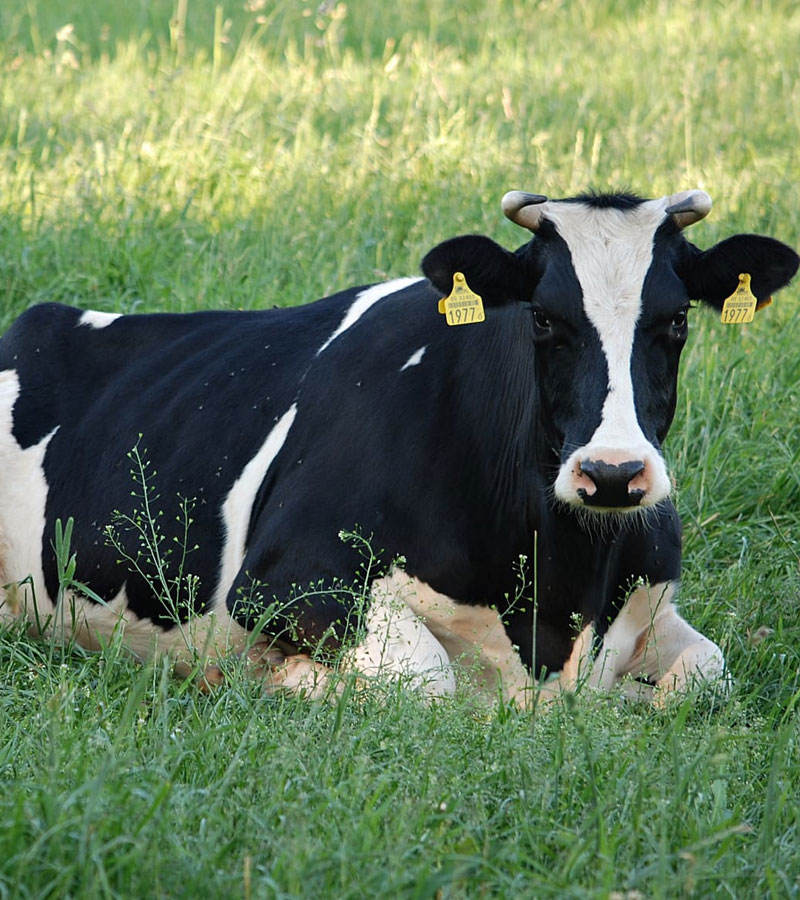
Steve Veldman was walking through the barn when he noticed that one cow, Cow 157, was behaving differently. She was unusually active and was mounting other cows.
To Steve, an experienced dairy farmer, the behaviour immediately suggested that she could be in heat.
He asked Chad Veldman to check the monitoring system. Chad was in another part of the farm, working with us on livestock data exports. He pulled out his phone, checked Cow 157, and found that the system had independently flagged her for potential heat behaviour, with a high level of confidence.
It was a moment, but it captured something important about the role technology can play on a farm.
The farmer noticed a meaningful change through experience and observation.
The technology had also detected a change through continuous monitoring.
And one did not make the other unnecessary.
Farmers already know how to read their animals
Experienced farmers develop a strong sense of what is normal in their herd.
They notice when an animal is moving differently, eating less, separating herself from the group, becoming unusually active or showing signs associated with heat or illness.
Much of that knowledge is built gradually through daily contact with animals. It combines observation, familiarity and practical experience.
Good livestock technology should respect that knowledge.
Its purpose should not be to suggest that a computer understands an animal better than the farmer who works with her every day. Instead, technology can extend the farmer’s ability to observe.
A farmer cannot watch every animal throughout the day and night. There are animals to feed, equipment to maintain, records to manage, staff to coordinate and countless other demands competing for attention.
A monitoring system can continue watching in the background. That is where its value begins.
An extra set of eyes on the herd
Modern livestock technologies can monitor changes in activity, rumination, feeding behaviour and other indicators over time.
The challenge is not simply collecting more information. It is identifying which changes deserve attention.
On a busy farm, a screen filled with numbers is not necessarily helpful. Neither is an endless stream of alerts.
The practical question is usually much simpler: Which animal should I look at, and why?
If technology can help answer that question reliably, it becomes much more useful. It might draw attention to an animal whose activity has changed sharply, whose rumination has fallen, or whose behaviour suggests a possible breeding opportunity.
The farmer can then combine that information with what they already know about the animal and decide what should happen next.
Technology can strengthen judgement
The Cow 157 example was interesting because two different forms of observation pointed toward the same animal.
Steve noticed the behaviour in the barn.
The monitoring system had detected a pattern in the animal’s activity and generated an alert.
That does not mean the alert, by itself, confirmed that Cow 157 was in heat. Nor does it mean every alert from a monitoring system will be correct.
Livestock are more complicated than that. But it does show what becomes possible when technology and farmer experience work together. The farmer brings knowledge of the animal, the herd and the wider farm context. The technology brings continuous observation and the ability to track patterns that may develop while the farmer is occupied elsewhere.
Used well, each can strengthen the other.
The real value is better timing
Much of the value in livestock management comes down to timing.
A health problem noticed earlier may be easier to investigate and manage.
A breeding opportunity identified at the right time can matter economically.
A change in behaviour that appears minor today may become more important tomorrow.
Technology therefore becomes useful not simply because it collects data, but because it can help bring the right animal to the farmer’s attention at the right time. That distinction matters.
Farmers do not need technology simply to tell them more. They need technology that helps them decide where to focus their attention.
Keep the farmer at the centre
The future of livestock technology is likely to involve increasingly capable sensors, software and analytical tools. But sophistication behind the scenes should not automatically mean complexity for the farmer.
The best systems may ultimately be the ones that make themselves almost invisible until there is something worth noticing.
They monitor quietly.
They recognize meaningful change.
They bring the farmer’s attention to an animal.
And then they allow experience, judgement and practical knowledge to take over.
The moment with Cow 157 offered a simple glimpse of that future. The farmer saw something. The technology saw something too. And together, they provided a stronger reason to take a closer look.
Building technology around real farm needs
At Sekama Canada, we are interested in how practical livestock technologies can support farmers in making timely, informed decisions while respecting the knowledge they already bring to their animals and farms.
Visits like this help keep that work grounded in real farm routines, real animals and real decisions. Because good agricultural technology should not begin with the question, “What can the technology do?”
It should begin with a more useful one: “What does the farmer need to know, and when do they need to know it?”
Sekama Canada connects Canadian expertise, research and technology with African partners to co-develop practical solutions for agriculture and other development challenges.
Comments are closed